When Stress Takes a Toll on Your Teeth and Jaw
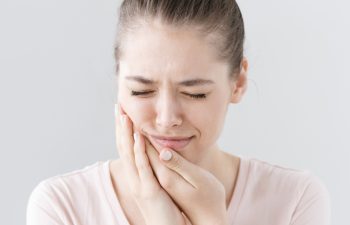
April marks Stress Awareness Month, a timely reminder to examine how life’s pressures affect not just our mental wellbeing but our physical health as well. While most people associate stress with headaches, insomnia, or digestive issues, few realize that chronic stress leaves unmistakable marks inside your mouth. Teeth grinding, jaw clenching, and temporomandibular joint disorders are among the most common—and most overlooked—consequences of living under constant pressure.
At the Atlanta practice of Dr. Wayne Suway, patients frequently discover that their persistent jaw pain, worn teeth, or morning headaches stem not from dental decay but from stress-related habits they never knew they had. As a specialist in TMJ treatment with over 35 years of experience, Dr. Suway understands the complex relationship between emotional tension and oral health, helping patients break the cycle before permanent damage occurs.
The Stress-Bruxism Connection
When stress levels rise, the body responds in predictable ways. Muscles tense, breathing becomes shallow, and—for millions of Americans—jaws clench tightly together. This involuntary response often intensifies during sleep, when the conscious mind can no longer intervene.
Bruxism, the clinical term for teeth grinding and clenching, affects an estimated 30% of the adult population. Recent surveys from the American Dental Association reveal a troubling trend: over 70% of dentists report increased signs of teeth grinding and clenching in their patients compared to previous years. Researchers attribute much of this surge to elevated stress levels across the population.
The mechanics of stress-induced bruxism involve both psychological and physiological factors. When we experience anxiety or pressure, the body releases stress hormones that increase muscle tension throughout the body. The jaw muscles, being among the strongest in the human body, can generate tremendous force when they contract—sometimes up to 250 pounds of pressure during sleep. Unlike daytime clenching, which you might catch yourself doing and consciously release, nighttime grinding continues for hours without your awareness or control.
Signs Your Stress Is Affecting Your Oral Health
Many people grind their teeth for years without realizing it. The habit often occurs during sleep, making self-detection difficult. However, stress-related oral problems leave telltale signs that your dentist can identify—and that you may notice if you know what to look for.
- Morning Jaw Pain or Stiffness: Waking up with soreness in your jaw muscles or difficulty opening your mouth fully often indicates nighttime clenching or grinding.
- Chronic Headaches: Tension headaches that appear upon waking, particularly around the temples, frequently result from sustained jaw muscle contraction during sleep.
- Worn or Flattened Teeth: Tooth enamel, while remarkably strong, cannot withstand constant grinding. Teeth develop flattened biting surfaces, sharp edges, or visible wear patterns over time.
- Tooth Sensitivity: As enamel wears away, the underlying dentin becomes exposed, causing increased sensitivity to hot, cold, sweet, or acidic foods and beverages.
- Cracked or Fractured Teeth: The excessive force from bruxism can cause teeth to crack, chip, or fracture. Existing dental work like fillings and crowns may fail prematurely under this stress.
- Ear Pain Without Infection: Because the temporomandibular joint sits directly in front of the ear canal, TMJ dysfunction often manifests as earaches that have no infectious cause.
- Neck and Shoulder Tension: The muscle strain from jaw clenching radiates through connected muscle groups, contributing to chronic neck and shoulder pain.
When Bruxism Becomes TMJ Disorder
The temporomandibular joint connects your lower jaw to your skull and enables the movements necessary for speaking, chewing, and yawning. When stress-induced grinding and clenching persist, this complex joint system can become damaged or dysfunctional.
TMJ disorder affects over 10 million Americans, causing symptoms ranging from mild discomfort to debilitating pain. The connection between stress, bruxism, and TMJ disorder creates a troubling cycle: stress causes clenching, clenching damages the joint, joint pain increases stress, and the pattern continues.
Symptoms of TMJ disorder include:
- Clicking or Popping Sounds: Audible noises when opening or closing the mouth often indicate displacement of the disc within the joint.
- Limited Jaw Movement: Difficulty opening the mouth fully or a sensation that the jaw is “stuck” or “locked.”
- Facial Pain: Aching pain in the face, particularly around the jaw joint and cheek muscles.
- Changes in Bite: A sense that your teeth no longer fit together properly when you close your mouth.
Dr. Wayne Suway offers conservative, effective treatment approaches for TMJ disorder that provide relief faster and at lower cost than traditional interventions. His extensive experience treating these interconnected conditions allows him to address both the symptoms and underlying causes of jaw dysfunction.
Breaking the Stress-Grinding Cycle
Managing stress-related oral health problems requires addressing both the physical damage and the behavioral patterns that cause it. A comprehensive approach typically includes protective measures, stress management techniques, and professional treatment when necessary.
- Custom Oral Appliances: A professionally fitted nightguard creates a protective barrier between your upper and lower teeth, preventing the direct tooth-on-tooth contact that causes wear and damage. Unlike over-the-counter options, custom appliances fit precisely to your bite and remain comfortable throughout the night.
- Stress Reduction Strategies: While eliminating stress entirely isn’t realistic, developing healthy coping mechanisms can significantly reduce its physical manifestations. Regular exercise, meditation, deep breathing exercises, and adequate sleep all help lower overall stress levels and decrease the likelihood of nighttime clenching.
- Awareness and Behavior Modification: During waking hours, periodically check whether you’re clenching your jaw. When you notice tension, consciously relax your jaw by allowing a small space between your upper and lower teeth. Many people find it helpful to set phone reminders throughout the day as prompts to release jaw tension.
- Lifestyle Adjustments: Reducing caffeine and alcohol consumption can decrease bruxism intensity, as both substances are associated with increased grinding. Avoiding chewing gum also gives overworked jaw muscles a chance to rest.
- Professional Treatment: For established TMJ dysfunction, professional intervention may be necessary. Dr. Suway employs advanced diagnostic techniques to identify the specific causes of your symptoms and develops individualized treatment plans that may include oral appliance therapy, physical therapy recommendations, or other conservative approaches.
The Long-Term Cost of Ignoring the Problem
Untreated bruxism and TMJ disorder rarely improve on their own. As stress continues and habits persist, the cumulative damage to teeth, joints, and muscles compounds over time.
Worn enamel cannot regenerate naturally. Once lost, the protective outer layer of your teeth is gone permanently, leaving teeth vulnerable to decay, sensitivity, and further damage. Cracked teeth may require crowns, root canals, or even extraction. The cost of restorative dental work to repair bruxism damage often far exceeds the investment in preventive treatment.
Beyond the financial implications, chronic jaw dysfunction diminishes quality of life. Persistent pain affects sleep, concentration, mood, and the simple pleasure of eating without discomfort.
Take Control This Stress Awareness Month With Dr. Wayne Suway
This April, consider whether stress might be taking a hidden toll on your oral health. If you recognize the signs of bruxism or TMJ disorder in yourself, early intervention offers the best outcomes.
Dr. Wayne Suway brings over 35 years of expertise in treating TMJ disorders and stress-related oral health conditions. As a Diplomate of the American Board of Dental Sleep Medicine and Master of the Academy of General Dentistry, he understands the complex connections between stress, sleep, and jaw function—and how to help patients find lasting relief.
Don’t let stress silently damage your smile. Contact our office today to schedule a consultation and learn how we can help protect your teeth and restore comfort to your jaw. Patients throughout Atlanta, Vinings, Marietta, East Cobb, and Smyrna trust Dr. Suway for compassionate, effective care.
Posted on behalf of
1820 The Exchange SE, #600
Atlanta, GA 30339
Phone: (770) 953-1752
FAX: (770) 953-6470
Mon - Thu: 8:30 AM – 5:30 PMClosed for lunch: 12:30 PM - 1:30 PM