Top 10 Warning Signs You May Have Sleep Apnea (And Why Your Dentist Should Know)
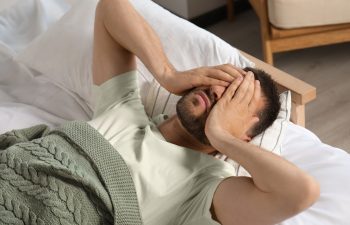
You wake up exhausted despite spending eight hours in bed. Your partner complains about your snoring. You find yourself nodding off during afternoon meetings. These frustrations might seem like normal parts of a busy life, but they could actually be warning signs of a serious health condition that affects an estimated 30 million Americans: obstructive sleep apnea.
As a Diplomate of the American Board of Dental Sleep Medicine with over 30 years of experience, Dr. Wayne Suway has helped countless patients in the Atlanta and Vinings area identify and treat sleep apnea—often after they’d struggled for years without answers. Understanding the warning signs is the first step toward reclaiming restful sleep and protecting your long-term health.
What Is Sleep Apnea?
Obstructive sleep apnea (OSA) occurs when the soft tissues in your throat collapse during sleep, repeatedly blocking your airway throughout the night. These breathing interruptions can happen dozens or even hundreds of times per night, preventing you from reaching the deep, restorative sleep stages your body needs. Left untreated, sleep apnea significantly increases your risk of heart disease, stroke, diabetes, and other serious health conditions.
The challenge? Most people with sleep apnea don’t know they have it. They might attribute their symptoms to stress, aging, or simply being too busy. That’s why recognizing these ten warning signs matters.
1. Loud, Chronic Snoring
Not everyone who snores has sleep apnea, but loud, persistent snoring is one of the most common indicators. Pay particular attention if your snoring is loud enough to disturb your partner’s sleep, if it occurs most nights regardless of sleep position, or if it’s accompanied by gasping or choking sounds. The snoring associated with sleep apnea typically sounds different from occasional snoring—it’s often described as more intense, with irregular patterns that include periods of silence followed by gasping.
2. Witnessed Breathing Pauses
If your partner has ever watched you stop breathing during sleep, this is one of the most telling signs of obstructive sleep apnea. These pauses, called apneas, end with a snort, gasp, or choking sound as your body fights to resume breathing. Many people are completely unaware these episodes are happening, making a bed partner’s observations incredibly valuable for diagnosis.
3. Excessive Daytime Sleepiness
Feeling tired despite adequate time in bed is a hallmark symptom of sleep apnea. Because the repeated breathing interruptions prevent you from reaching restorative sleep stages, you wake up feeling unrefreshed no matter how early you went to bed. This isn’t ordinary tiredness—it’s the kind of fatigue that makes you struggle to stay awake during movies, meetings, or even while driving. If you frequently need caffeine to function or find yourself fighting drowsiness throughout the day, sleep apnea could be the underlying cause.
4. Morning Headaches
Waking up with headaches that gradually improve as the day progresses may indicate oxygen deprivation during sleep. When breathing stops repeatedly throughout the night, carbon dioxide builds up in your bloodstream while oxygen levels drop. This imbalance often manifests as dull, pressing headaches upon waking—typically different from migraines or tension headaches in their timing and character.
5. Difficulty Concentrating and Memory Problems
The cognitive effects of sleep apnea extend far beyond simple fatigue. Many patients report trouble focusing at work, difficulty remembering names or appointments, and a general sense of mental fog that wasn’t present before. These symptoms occur because your brain never receives the quality sleep it needs to consolidate memories and restore cognitive function. Some patients initially worry about early-onset dementia when the real culprit is untreated sleep apnea.
6. Mood Changes and Irritability
Sleep deprivation profoundly affects emotional regulation. If you’ve noticed increased irritability, anxiety, or depression that you can’t quite explain, poor sleep quality may be contributing. The relationship works both ways—mood disorders can disrupt sleep, and disrupted sleep worsens mood disorders—creating a cycle that’s difficult to break without addressing the underlying sleep apnea.
7. Waking Up with a Dry Mouth or Sore Throat
People with sleep apnea often breathe through their mouths during sleep, especially when their nasal passages become blocked. This mouth breathing leads to dry mouth, sore throat, and sometimes a hoarse voice upon waking. While these symptoms can have other causes, their regular presence alongside other warning signs strengthens the case for a sleep evaluation.
8. Nighttime Symptoms You Might Overlook
Several nighttime symptoms are easy to dismiss but may indicate sleep apnea:
- Frequent Urination: Waking multiple times to use the bathroom (nocturia) affects many sleep apnea patients because the body produces more urine when oxygen levels drop during apnea episodes.
- Night Sweats: The physical effort of repeatedly struggling to breathe can cause excessive sweating during sleep.
- Restless Sleep: Tossing, turning, and waking frequently throughout the night often accompany sleep apnea, even when you don’t consciously remember these disturbances.
9. High Blood Pressure That’s Hard to Control
Sleep apnea and hypertension share a strong connection. The repeated drops in blood oxygen levels trigger stress responses that raise blood pressure, and over time, this can lead to sustained hypertension that doesn’t respond well to medication alone. If you’re taking blood pressure medication but still struggling to achieve control, undiagnosed sleep apnea may be working against your treatment.
10. Physical Risk Factors
Certain physical characteristics increase your likelihood of having sleep apnea:
- Excess Weight: Fatty deposits around the upper airway can obstruct breathing, though thin people can also have sleep apnea.
- Larger Neck Circumference: Thicker necks may have narrower airways.
- Narrow Airway: Some people inherit naturally narrow throats, or enlarged tonsils or adenoids can block the airway.
- Being Male: Men are two to three times more likely to have sleep apnea than women, though risk increases for women after menopause.
- Age: Sleep apnea occurs significantly more often in older adults.
- Family History: Having family members with sleep apnea increases your risk.
Why Your Dentist Is Key to Diagnosis and Treatment
You might wonder why a dentist would be involved in sleep apnea care. The answer lies in anatomy and treatment options. Dentists trained in dental sleep medicine, like Dr. Suway, understand the oral and facial structures that contribute to airway obstruction. They’re often the first healthcare providers to notice signs of sleep apnea during routine examinations—including tooth wear from grinding, a scalloped tongue, or a narrow airway.
More importantly, dentists can provide custom oral appliances as an alternative to CPAP therapy. These devices, which look similar to sports mouthguards, reposition the jaw and tongue to keep the airway open during sleep. For many patients with mild to moderate sleep apnea—or those who can’t tolerate CPAP—oral appliance therapy offers an effective, comfortable solution.
Take the First Step with a Home Sleep Test
Getting evaluated for sleep apnea has never been easier. Dr. Wayne Suway offers take-home sleep tests that allow you to complete your sleep study in the comfort of your own bed. You can schedule your consultation and take your sleep test the same night—no waiting for sleep lab appointments or spending nights away from home.
If you recognize yourself in these warning signs, don’t dismiss your symptoms as normal aging or stress. Sleep apnea is a treatable condition, and addressing it can dramatically improve your energy, mood, cognitive function, and long-term health.
Schedule Your Sleep Consultation Today
Dr. Wayne Suway brings over 30 years of dental experience and specialized training as a Diplomate of the American Board of Dental Sleep Medicine to every patient consultation. His Vinings office provides a relaxing environment where you can discuss your symptoms, undergo evaluation, and explore treatment options tailored to your needs.
Contact the office of Wayne G. Suway, DDS, MAGD, D. ABDSM today at (770) 953-1752 to schedule your sleep apnea consultation. Our practice is located at 1820 The Exchange SE, #600, Atlanta, GA 30339, serving patients throughout Atlanta, Vinings, Marietta, Smyrna, and the surrounding communities. Better sleep—and better health—may be closer than you think.
Posted on behalf of
1820 The Exchange SE, #600
Atlanta, GA 30339
Phone: (770) 953-1752
FAX: (770) 953-6470
Mon - Thu: 8:30 AM – 5:30 PMClosed for lunch: 12:30 PM - 1:30 PM