The Hidden Health Crisis: Why 80% of Sleep Apnea Cases Go Undiagnosed—And What It’s Costing Your Health
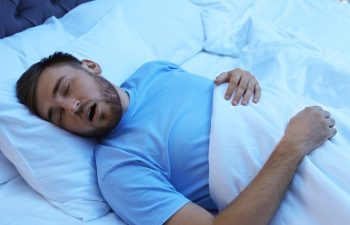
More than 30 million Americans have obstructive sleep apnea. Yet an alarming 80% of them have no idea they’re affected. This hidden health crisis operates silently, eroding cardiovascular health, increasing stroke risk, and contributing to thousands of preventable deaths each year. The statistics paint a sobering picture—one that demands attention from anyone who snores, wakes unrefreshed, or struggles with daytime fatigue.
Dr. Wayne Suway, a Diplomate of the American Board of Dental Sleep Medicine, has dedicated his career to changing these statistics in the Atlanta area. As one of few dentists with advanced certification in dental sleep medicine, he offers patients an alternative to traditional CPAP treatment that achieves compliance rates nearly three times higher—getting more patients the treatment they desperately need.
The Staggering Numbers Behind a Silent Epidemic
Sleep apnea has reached epidemic proportions in the United States, yet public awareness remains remarkably low. Consider these statistics:
- 30 to 54 million American adults suffer from obstructive sleep apnea, making it more prevalent than both asthma and adult diabetes.
- 80% of moderate to severe cases remain undiagnosed, meaning millions of people unknowingly live with a condition that damages their health every single night.
- 936 million people worldwide are affected by obstructive sleep apnea, making it one of the most common chronic conditions on the planet.
- 34% of men and 17% of women meet the criteria for sleep apnea, though most will never receive a diagnosis.
The disparity between prevalence and diagnosis creates a public health crisis hiding in plain sight. People attribute their symptoms—fatigue, morning headaches, difficulty concentrating—to stress, aging, or poor sleep habits. Meanwhile, each night of untreated sleep apnea inflicts cumulative damage on the cardiovascular system, brain, and metabolism.
What Happens When Sleep Apnea Goes Untreated
Every time breathing stops during sleep, oxygen levels plummet. The brain triggers a stress response, flooding the body with hormones that raise blood pressure and strain the heart. These mini-crises can occur hundreds of times per night, turning what should be restorative sleep into a nightly assault on your body’s most vital systems.
The cardiovascular consequences are particularly alarming:
- 140% increased risk of heart failure in patients with obstructive sleep apnea compared to those without the condition.
- 60% increased risk of stroke among people with severe, untreated sleep apnea.
- 30% increased risk of coronary heart disease, including heart attacks.
- 2 to 4 times higher likelihood of developing heart arrhythmias, including potentially fatal irregular heartbeats.
- 3 times greater stroke risk for men with untreated sleep apnea specifically.
The American Heart Association has recognized the connection between sleep apnea and cardiovascular disease, noting that untreated sleep apnea leads to worse outcomes across virtually all heart-related conditions. Researchers at Johns Hopkins and Harvard have documented independent links between sleep apnea and these cardiovascular complications—meaning the increased risk exists even when controlling for factors like obesity, smoking, and age.
Beyond the Heart: The Full Spectrum of Health Consequences
While cardiovascular damage receives the most attention, untreated sleep apnea affects nearly every system in the body:
- Metabolic Dysfunction: Sleep apnea disrupts glucose metabolism, increasing insulin resistance and elevating blood sugar levels. Studies show a strong correlation between obstructive sleep apnea and type 2 diabetes, with each condition worsening the other in a dangerous feedback loop. Research from Johns Hopkins confirms that sleep apnea can increase blood sugar levels independently of obesity.
- Cognitive Impairment: The repeated oxygen deprivation and sleep fragmentation caused by apnea events impair memory, concentration, and decision-making. Studies show brain damage from chronic oxygen deprivation may begin improving after just three months of treatment—but only if treatment actually begins.
- Accident Risk: The daytime fatigue from untreated sleep apnea doesn’t just affect quality of life—it endangers lives. People with sleep apnea are 2.5 times more likely to be involved in car accidents. A landmark study documented over 800,000 sleep apnea-related motor vehicle accidents in a single year. Workplace injuries also increase substantially, with untreated patients facing double the risk of on-the-job accidents.
- Mental Health: Chronic fatigue and poor sleep quality contribute to depression, anxiety, and mood instability. The relationship works both ways: depression and anxiety can worsen sleep apnea symptoms, while untreated apnea intensifies mental health challenges.
- Shortened Lifespan: Multiple studies confirm what the individual statistics suggest—untreated obstructive sleep apnea is associated with premature death. The National Commission on Sleep Disorders Research estimated that sleep apnea is responsible for approximately 38,000 cardiovascular deaths annually in the United States alone.
The CPAP Problem: Why Gold Standard Treatment Often Fails
For decades, continuous positive airway pressure (CPAP) therapy has been considered the gold standard treatment for sleep apnea. CPAP machines deliver pressurized air through a mask worn during sleep, keeping the airway open and preventing apnea events. When used consistently, CPAP effectively treats sleep apnea and reduces health risks.
The problem? Most patients don’t use it consistently.
Studies consistently show that only 30 to 60 percent of CPAP users adhere to their prescribed therapy. Many patients find the masks uncomfortable, claustrophobic, or disruptive to sleep. Partners complain about noise. Travel becomes complicated. And for a significant portion of patients, the cure feels worse than the disease—so they simply stop using the device.
This compliance gap creates a troubling reality: millions of people have been diagnosed with sleep apnea and prescribed treatment, yet they remain effectively untreated because they can’t tolerate the therapy designed to help them.
Oral Appliance Therapy: A Game-Changing Alternative
For patients who struggle with CPAP, oral appliance therapy offers a proven alternative that achieves dramatically better compliance rates. These custom-fitted devices, similar in appearance to athletic mouthguards, work by gently repositioning the lower jaw forward during sleep. This forward positioning keeps the airway open, preventing the collapse that causes apnea events.
The compliance statistics tell a compelling story:
- Up to 90% compliance rate with oral appliance therapy, compared to 30-60% for CPAP.
- 86% of patients in clinical studies experienced reduced breathing events with mandibular advancement devices.
- 33% of patients saw their apnea-hypopnea index (the primary measure of sleep apnea severity) cut in half with oral appliance therapy alone.
Why the dramatic difference in compliance? Oral appliances are simply easier to live with. They’re small, quiet, and portable. There are no masks to adjust, no hoses to manage, no machines humming beside the bed. Patients can speak and drink water while wearing them. Travel requires no special equipment or TSA explanations.
The American Academy of Sleep Medicine recognizes oral appliance therapy as an effective first-line treatment for mild to moderate obstructive sleep apnea and as an alternative for patients with severe apnea who cannot tolerate CPAP. Research has demonstrated that for many patients, the superior compliance rates of oral appliances result in comparable or better real-world outcomes than CPAP despite CPAP’s theoretical superiority.
Are You at Risk? Recognizing the Warning Signs
Sleep apnea can affect anyone, but certain factors increase risk:
- Obesity: Sleep apnea affects approximately 3% of normal-weight individuals but more than 20% of obese people. A 10% increase in body weight increases sleep apnea risk six-fold.
- Age: Risk increases significantly after age 40, with the highest prevalence among adults 50-70 years old.
- Gender: Men are roughly twice as likely as women to develop sleep apnea, though risk in women increases substantially after menopause.
- Neck Circumference: A neck measurement greater than 17 inches in men or 16 inches in women suggests elevated risk.
- Family History: Genetic factors influence airway structure and sleep apnea susceptibility.
Common symptoms that warrant evaluation include:
- Loud, Chronic Snoring: Often noticed by bed partners before the patient themselves.
- Witnessed Breathing Pauses: Partners may observe episodes where breathing stops during sleep.
- Gasping or Choking: Waking suddenly with a sensation of choking or gasping for air.
- Excessive Daytime Sleepiness: Persistent fatigue despite seemingly adequate sleep time.
- Morning Headaches: Frequent headaches upon waking that improve as the day progresses.
- Difficulty Concentrating: Cognitive fog, memory problems, or trouble focusing.
Take-Home Sleep Testing: Diagnosis Has Never Been Easier
One barrier that historically prevented sleep apnea diagnosis was the inconvenience of traditional sleep studies, which required spending a night in a sleep laboratory connected to numerous monitors. Today, take-home sleep testing has revolutionized diagnosis, allowing patients to complete accurate diagnostic studies in the comfort of their own beds.
Dr. Suway offers take-home sleep testing directly through his practice, allowing patients to receive their diagnosis and begin treatment planning in a single, streamlined process. The convenience removes a significant obstacle that previously prevented many symptomatic patients from pursuing evaluation.
Schedule Your Sleep Apnea Consultation With Dr. Wayne Suway
The statistics are clear: untreated sleep apnea poses serious, potentially life-threatening health risks. Yet effective treatment exists—treatment that most patients can actually use consistently.
Dr. Wayne Suway brings over 35 years of dental experience combined with specialized certification as a Diplomate of the American Board of Dental Sleep Medicine. This advanced credential represents the highest standard of training in dental sleep medicine, ensuring patients receive care from a true specialist in the field.
If you snore, wake unrefreshed, or experience any symptoms of sleep apnea, don’t become another statistic in this hidden health crisis. Take the first step toward protecting your cardiovascular health, improving your quality of life, and potentially adding years to your lifespan.
Dr. Suway welcomes patients from Atlanta, Vinings, Marietta, East Cobb, Smyrna, and throughout North Georgia who want answers about their sleep and their health. Contact our office today to schedule your consultation and take-home sleep test.
Posted on behalf of
1820 The Exchange SE, #600
Atlanta, GA 30339
Phone: (770) 953-1752
FAX: (770) 953-6470
Mon - Thu: 8:30 AM – 5:30 PMClosed for lunch: 12:30 PM - 1:30 PM