Sleep Apnea in Seniors: Why Dental Sleep Medicine Matters More After 65
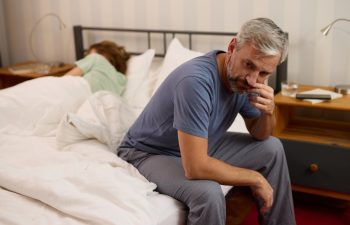
Sleep changes as we age. Many older adults accept disrupted rest, daytime fatigue, and foggy thinking as inevitable parts of getting older. Yet these symptoms often signal something treatable: obstructive sleep apnea. For the geriatric population, sleep apnea presents unique challenges and significant health risks, making proper diagnosis and comfortable treatment essential for maintaining quality of life.
As a Diplomate of the American Board of Dental Sleep Medicine, Dr. Wayne Suway understands the particular needs of older adults struggling with sleep-disordered breathing. His expertise in oral appliance therapy offers seniors in the Atlanta area an effective, comfortable alternative to traditional CPAP treatment.
The Growing Concern of Sleep Apnea in Older Adults
Sleep apnea affects a staggering number of seniors. Research indicates that between 27% and 80% of adults over 60 have some form of obstructive sleep apnea, depending on the population studied and diagnostic criteria used. Some studies suggest that more than 60% of men and 35% of women over age 60 exhibit at least moderate sleep apnea on sleep testing.
Perhaps most concerning, a recent study found that the overwhelming majority of older adults with sleep apnea remain undiagnosed and untreated. The condition often goes unrecognized because its symptoms, including fatigue, memory problems, and frequent nighttime awakenings, are frequently attributed to normal aging rather than a treatable medical condition.
The odds of having clinically significant sleep apnea increase threefold after age 65. With the aging population growing rapidly, addressing sleep-disordered breathing in seniors has become a critical healthcare priority.
Why Sleep Apnea Affects Seniors Differently
Several age-related changes contribute to the increased prevalence of sleep apnea in older adults:
- Changes in Airway Structure: As we age, the muscles that keep the upper airway open during sleep become weaker and more prone to collapse. Fatty deposits around the airway can also increase, further narrowing the breathing passage.
- Decreased Muscle Tone: The tongue and soft palate lose tone with age, making them more likely to fall back and obstruct breathing during sleep.
- Altered Sleep Architecture: Older adults naturally experience changes in sleep patterns, spending less time in deep, restorative sleep stages. Sleep apnea further fragments sleep, compounding these effects.
- Increased Prevalence of Contributing Conditions: Many conditions that contribute to sleep apnea, including obesity, heart disease, and diabetes, become more common with age.
- Medication Effects: Many medications commonly prescribed to older adults can relax airway muscles or affect breathing patterns during sleep.
The Hidden Symptoms in Seniors
Sleep apnea in older adults often presents differently than in younger patients, making it easier to miss. While younger patients typically report obvious symptoms like loud snoring and witnessed breathing pauses, seniors may experience:
- Cognitive Changes: Memory problems, difficulty concentrating, and confusion that may be mistaken for early dementia
- Nocturia: Frequent nighttime urination, often attributed to prostate issues or age
- Insomnia: Difficulty staying asleep rather than excessive daytime sleepiness
- Morning Headaches: Often dismissed as tension headaches or medication side effects
- Depression and Mood Changes: Emotional symptoms that may be attributed to life circumstances rather than poor sleep
- Fatigue Without Obvious Sleepiness: Many seniors don’t report feeling sleepy, but they do feel exhausted
Research has shown that older adults with sleep apnea often report fewer symptoms on standard screening questionnaires despite having more severe disease. This makes active screening by healthcare providers especially important.
The Serious Health Consequences for Seniors
Untreated sleep apnea poses significant health risks for older adults, potentially accelerating age-related decline:
- Cognitive Decline and Dementia Risk: Sleep apnea is associated with accelerated cognitive decline and increased accumulation of Alzheimer’s disease biomarkers. The repeated oxygen drops and sleep fragmentation appear to damage brain tissue over time. Treating sleep apnea may help protect cognitive function and slow decline.
- Cardiovascular Complications: Sleep apnea increases the risk of hypertension, heart disease, stroke, and cardiac arrhythmias. For seniors who already have cardiovascular risk factors, untreated sleep apnea adds additional stress to an already vulnerable system.
- Fall Risk: Daytime fatigue and cognitive impairment from sleep apnea increase the risk of falls, a leading cause of injury and loss of independence in older adults. Studies show elderly patients with sleep apnea have significantly higher fall rates than those without the condition.
- Reduced Quality of Life: Poor sleep affects energy levels, mood, social engagement, and overall enjoyment of life. Many seniors experience dramatic improvements in how they feel once their sleep apnea is properly treated.
- Worsening of Existing Conditions: Sleep apnea can complicate the management of diabetes, heart failure, and other chronic conditions common in the geriatric population.
The CPAP Challenge for Older Adults
Continuous positive airway pressure (CPAP) remains the standard first-line treatment for obstructive sleep apnea. However, research increasingly suggests that CPAP presents particular challenges for the elderly population.
A notable study examining CPAP use in adults over 70 with moderate to severe sleep apnea found something surprising: while CPAP improved snoring and reduced the number of breathing interruptions, it did not show clinical improvement in daytime sleepiness, quality of life, cognitive function, depression, anxiety, or blood pressure in this age group.
Many seniors struggle with CPAP for practical reasons:
- Mask Discomfort: Age-related changes in facial structure can make finding a properly fitting mask more difficult
- Claustrophobia: The sensation of wearing a mask can be distressing, particularly for those with anxiety
- Physical Limitations: Conditions like arthritis can make manipulating the mask and machine difficult
- Cognitive Challenges: Memory changes can affect the ability to consistently use and maintain CPAP equipment
- Skin Sensitivity: Aging skin may be more prone to irritation from mask straps and pressure points
- Dry Mouth and Nasal Congestion: Side effects that can be particularly bothersome for older adults
Studies indicate that 30% to 50% of patients prescribed CPAP either don’t use it consistently or abandon it entirely. Among older adults, adherence rates can be even lower.
Why Oral Appliance Therapy Works for Seniors
For older adults who cannot tolerate CPAP, oral appliance therapy offers an effective, comfortable alternative. Research specifically examining oral appliance treatment in elderly patients has shown promising results.
A study examining oral appliance therapy in older adults found it to be tolerable and effective for both mild-to-moderate and severe obstructive sleep apnea in patients without contraindications. This represents encouraging news for seniors seeking alternatives to CPAP.
Oral appliances work by gently repositioning the jaw forward during sleep, preventing the tongue and soft tissues from collapsing into the airway. For many seniors, this approach offers distinct advantages:
- Ease of Use: Oral appliances are simple to put in and take out, requiring no electricity, tubing, or complicated setup
- Portability: The compact size makes travel easy, whether visiting family or staying in assisted living
- Silence: Unlike CPAP machines, oral appliances make no noise, important for those sharing rooms or living spaces
- Comfort: Many patients find oral appliances more comfortable than wearing a mask over their face
- Higher Compliance: Because they’re easier and more comfortable to use, patients tend to wear oral appliances more consistently
Research has demonstrated that while CPAP may be more effective at reducing the number of breathing interruptions per hour, oral appliances can achieve comparable health outcomes because patients actually use them. Treatment only works when patients adhere to it.
Special Considerations for Senior Patients
Treating sleep apnea in older adults requires attention to factors that may not apply to younger patients:
- Dental Health: Oral appliances require adequate teeth and periodontal health for proper function. Dr. Suway’s comprehensive background in general and restorative dentistry allows him to evaluate whether patients have the dental foundation needed for oral appliance therapy and address any concerns before treatment.
- Existing Dental Work: Many seniors have dental restorations, bridges, or implants that must be considered when fitting an oral appliance. An experienced dental sleep medicine provider understands how to work with existing dental work.
- TMJ Considerations: The temporomandibular joint can be affected by oral appliance use. Seniors with existing TMJ issues require careful evaluation and monitoring.
- Medication Interactions: Many medications can affect sleep apnea severity or interact with treatment. A thorough medication review is essential.
- Coordination with Other Providers: Optimal care often requires collaboration between the dental sleep medicine provider and other physicians managing the patient’s overall health.
Dr. Suway’s Approach to Senior Sleep Apnea Care
Dr. Wayne Suway brings unique qualifications to treating sleep apnea in older adults. As a Diplomate of the American Board of Dental Sleep Medicine, he holds the highest credential in dental sleep medicine, recognized as the gold standard of excellence in the field.
His more than 35 years of experience in dentistry, including expertise in senior dentistry, implant dentistry, and comprehensive restorative care, provides the foundation for successful oral appliance therapy in older patients. He understands the unique dental considerations that affect seniors and can evaluate whether oral appliance therapy is appropriate based on each patient’s oral health status.
Dr. Suway works directly with patients’ physicians to ensure coordinated care. This collaborative approach is especially important for seniors who often have multiple healthcare providers managing various conditions. He recently attended the American Academy of Dental Sleep Medicine Annual Meeting in Las Vegas, demonstrating his commitment to staying current with the latest advances in treating sleep-related breathing disorders.
Getting Started with Treatment
If you’re a senior experiencing symptoms that might indicate sleep apnea, or if you’ve been diagnosed but struggle with CPAP, the first step is a comprehensive evaluation.
Dr. Suway offers sleep studies using FDA-cleared home sleep testing that monitors multiple signals for accurate assessment. The testing kit is simple to use and allows you to sleep in the comfort of your own bed. The data is analyzed by a Board Certified Sleep Physician to determine the presence and severity of sleep apnea.
Based on the results, Dr. Suway develops a personalized treatment plan. For appropriate candidates, this includes a custom-fit oral appliance designed specifically for your mouth. He provides ongoing follow-up to ensure the appliance remains comfortable and effective.
Reclaim Restful Sleep at Any Age
Quality sleep isn’t a luxury reserved for the young. Proper treatment of sleep apnea can dramatically improve how seniors feel, function, and enjoy life. Many patients report improvements in energy, mental clarity, mood, and overall well-being once their sleep apnea is addressed.
If disrupted sleep, daytime fatigue, or cognitive changes are affecting your quality of life, don’t assume it’s just part of getting older. These symptoms deserve evaluation, and effective treatment options exist.
Contact the office of Dr. Wayne Suway at (770) 953-1752 to schedule a consultation. With offices serving Atlanta, Vinings, Marietta, and the surrounding communities, Dr. Suway and his team are dedicated to helping patients of all ages achieve the restful, restorative sleep they deserve.
Posted on behalf of
1820 The Exchange SE, #600
Atlanta, GA 30339
Phone: (770) 953-1752
FAX: (770) 953-6470
Mon - Thu: 8:30 AM – 5:30 PMClosed for lunch: 12:30 PM - 1:30 PM