April Is Oral Cancer Awareness Month: Why Your Dentist Could Be the First to Save Your Life
Every hour of every day, someone in the United States dies from oral cancer. This sobering statistic underscores why April’s designation as Oral Cancer Awareness Month matters so much—and why your routine dental visits play a far more critical role in your overall health than you might realize.
Oral and oropharyngeal cancers will claim an estimated 58,000 new diagnoses this year alone, with roughly 12,000 deaths attributed to the disease. Yet unlike many cancers that dominate public awareness campaigns, oral cancer remains relatively unknown despite having a death rate higher than cervical cancer, Hodgkin’s lymphoma, and thyroid cancer. At the practice of Dr. Wayne Suway in Atlanta, comprehensive oral cancer screenings are an integral part of every examination, potentially catching early warning signs that could save your life.
The Changing Face of Oral Cancer
For decades, oral cancer was primarily associated with tobacco use and heavy alcohol consumption. While these remain significant risk factors, a dramatic shift has occurred that every patient should understand.
Human papillomavirus, commonly known as HPV, has emerged as a leading cause of oropharyngeal cancers—those affecting the back of the throat, base of the tongue, and tonsils. HPV-related oral cancers have risen dramatically over the past two decades, even as tobacco-related cases have declined. This shift means oral cancer is increasingly affecting younger, otherwise healthy individuals who have never smoked and drink only moderately.
The changing patient profile makes routine screenings more important than ever. You can no longer assume that oral cancer only affects certain demographics or those with obvious risk factors. Today’s oral cancer patient might be a health-conscious professional in their 40s with no history of tobacco use.
What Happens During an Oral Cancer Screening
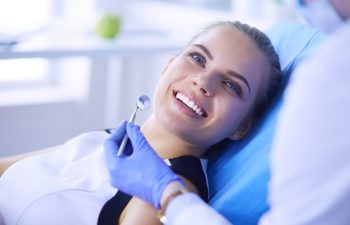
Many patients don’t realize that oral cancer screenings happen during their regular dental checkups. The examination is quick, painless, and could identify problems at their earliest and most treatable stages.
During your visit, Dr. Suway examines your entire oral cavity, including areas you cannot easily see yourself. This comprehensive evaluation includes:
- Visual Inspection: Examining your lips, gums, tongue, floor of the mouth, roof of the mouth, inner cheeks, and throat for any unusual changes in color, texture, or appearance.
- Physical Examination: Gently feeling the tissues of your mouth and neck to detect lumps, thickening, or other abnormalities that might not be visible.
- Patient History Review: Discussing any symptoms you’ve noticed, changes in how your mouth feels, or difficulty swallowing, speaking, or chewing.
The entire screening adds just minutes to your appointment but provides invaluable peace of mind—or early detection when intervention can make the greatest difference.
Warning Signs You Shouldn’t Ignore
Between dental visits, being aware of potential warning signs empowers you to seek evaluation promptly. Contact your dentist if you notice any of the following symptoms lasting more than two weeks:
- Persistent Sores: Any sore in your mouth or on your lips that doesn’t heal within two weeks warrants professional evaluation.
- Color Changes: White or red patches on your gums, tongue, tonsils, or mouth lining can indicate potentially precancerous changes.
- Unexplained Lumps: Thickening, lumps, rough spots, or crusty areas anywhere in or around your mouth deserve attention.
- Difficulty Swallowing: Persistent trouble swallowing, chewing, or moving your jaw or tongue may signal problems requiring investigation.
- Numbness or Pain: Unexplained numbness, tenderness, or pain in your mouth, face, or neck—especially on one side—should be evaluated.
- Ear Pain: Persistent earache without hearing loss can sometimes indicate oral cancer affecting nearby structures.
- Voice Changes: Chronic hoarseness or changes in your voice lasting more than two weeks merit professional assessment.
Many of these symptoms have benign explanations, but only professional evaluation can determine whether further investigation is needed. When detected early, oral cancer has an 80-90% survival rate. When caught late, that rate drops dramatically.
Risk Factors Beyond Tobacco and Alcohol
Understanding your personal risk factors helps you make informed decisions about screening frequency and lifestyle modifications.
- HPV Infection: As mentioned, HPV—particularly HPV-16—has become a leading cause of oropharyngeal cancers. The HPV vaccine, while primarily promoted for preventing cervical cancer, also protects against the strains responsible for many oral cancers.
- Sun Exposure: Cancers of the lip are strongly associated with cumulative sun exposure. Those who work outdoors or spend significant time in the sun should be particularly vigilant about lip protection and changes.
- Age: While HPV-related cancers are shifting demographics younger, overall oral cancer risk increases with age. Most cases occur in people over 40, with the average diagnosis happening around age 62.
- Gender: Men are roughly twice as likely as women to develop oral cancer, though this gap is narrowing as HPV-related cases increase across both genders.
- Diet: Diets low in fruits and vegetables may increase oral cancer risk. The antioxidants and nutrients in plant-based foods appear to offer some protective benefit.
- Immune Suppression: Those with weakened immune systems, whether from medication, disease, or other causes, face elevated oral cancer risk.
Why Your Dentist Is Often First to Detect Problems
Your dentist occupies a unique position in healthcare—regularly examining an area of your body that you cannot easily see yourself and that other healthcare providers rarely examine thoroughly.
Dr. Wayne Suway’s over 35 years of clinical experience means he has examined thousands of mouths and can quickly identify subtle changes that warrant further investigation. His advanced training, including credentials as a Master of the Academy of General Dentistry and Diplomate of the American Board of Dental Sleep Medicine, reflects a commitment to comprehensive patient care that extends far beyond routine cleanings.
The relationship you build with your dental team also matters. When you visit the same practice regularly, your providers develop familiarity with what’s normal for your mouth. They’re more likely to notice when something changes, even subtly.
Early Detection Saves Lives
The statistics surrounding oral cancer survival underscore why early detection matters so profoundly. When oral cancer is found early—before it has spread to other tissues—the five-year survival rate exceeds 80%. When caught at advanced stages, that rate plummets to below 40%.
Unfortunately, approximately 40% of oral cancers are not discovered until they have already spread to nearby lymph nodes or other structures. This delayed detection often occurs because patients don’t recognize warning signs, skip regular dental visits, or dismiss symptoms as minor irritations.
Regular dental examinations with thorough oral cancer screenings offer the best opportunity for early detection. The few minutes your dentist spends examining your soft tissues could quite literally save your life.
Schedule Your Oral Cancer Screening With Dr. Wayne Suway
This Oral Cancer Awareness Month, take a proactive step toward protecting your health. Whether you’re due for a routine cleaning or haven’t visited a dentist in years, now is the perfect time to schedule an appointment that includes a comprehensive oral cancer screening.
Dr. Wayne Suway and his team welcome patients throughout Atlanta, Vinings, Marietta, and surrounding communities. With over three decades of experience and a genuine commitment to patient wellbeing, Dr. Suway provides the thorough, compassionate care that helps patients maintain not just healthy smiles, but healthy lives.
Don’t wait for symptoms to appear. Schedule your appointment today and give yourself the peace of mind that comes with knowing your oral health—and your overall health—is in expert hands.
Posted on behalf of
1820 The Exchange SE, #600
Atlanta, GA 30339
Phone: (770) 953-1752
FAX: (770) 953-6470
Mon - Thu: 8:30 AM – 5:30 PMClosed for lunch: 12:30 PM - 1:30 PM